dar
- to give Spanish, with a long “a” as in car
- door در Farsi, with a short “a” as in cat
dar
Our mission is to give back while keeping doors open.
The DAR Lab conducts research at the intersection of information science, human–computer interaction, privacy, and migration.

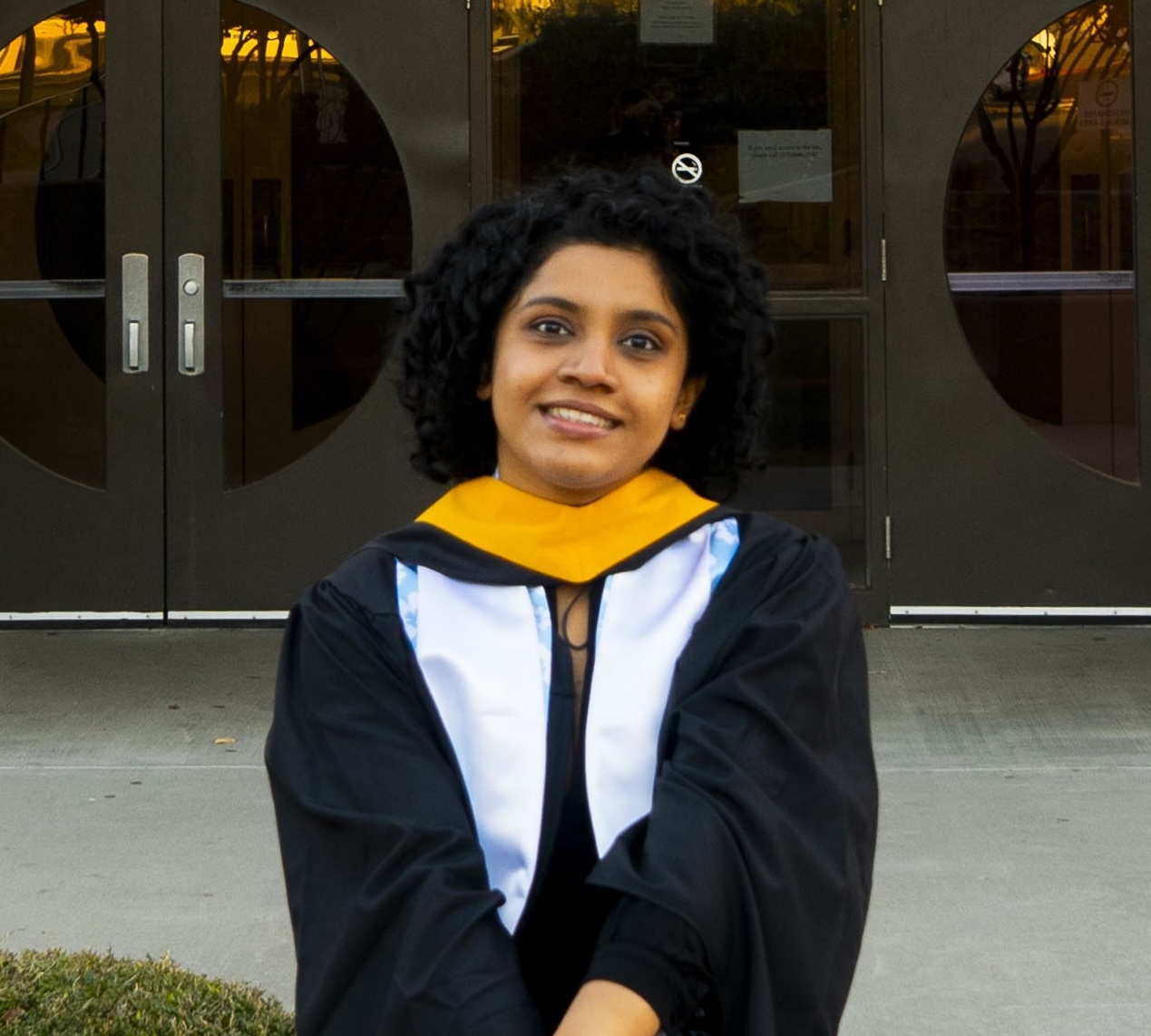
PhD student
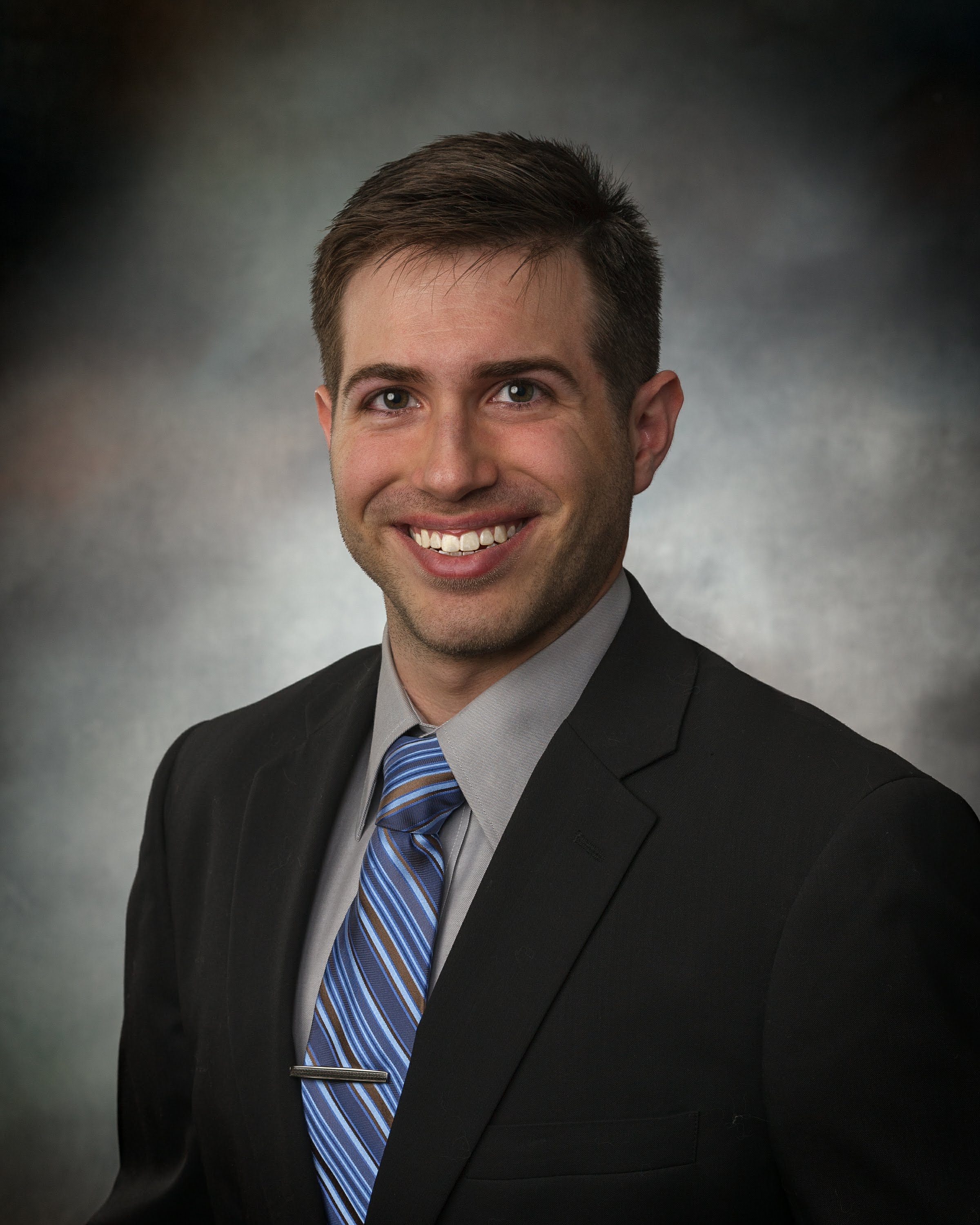
Mason Eiland
MS student

Undergraduate student

Augusto Penzo Jara
Undergraduate student
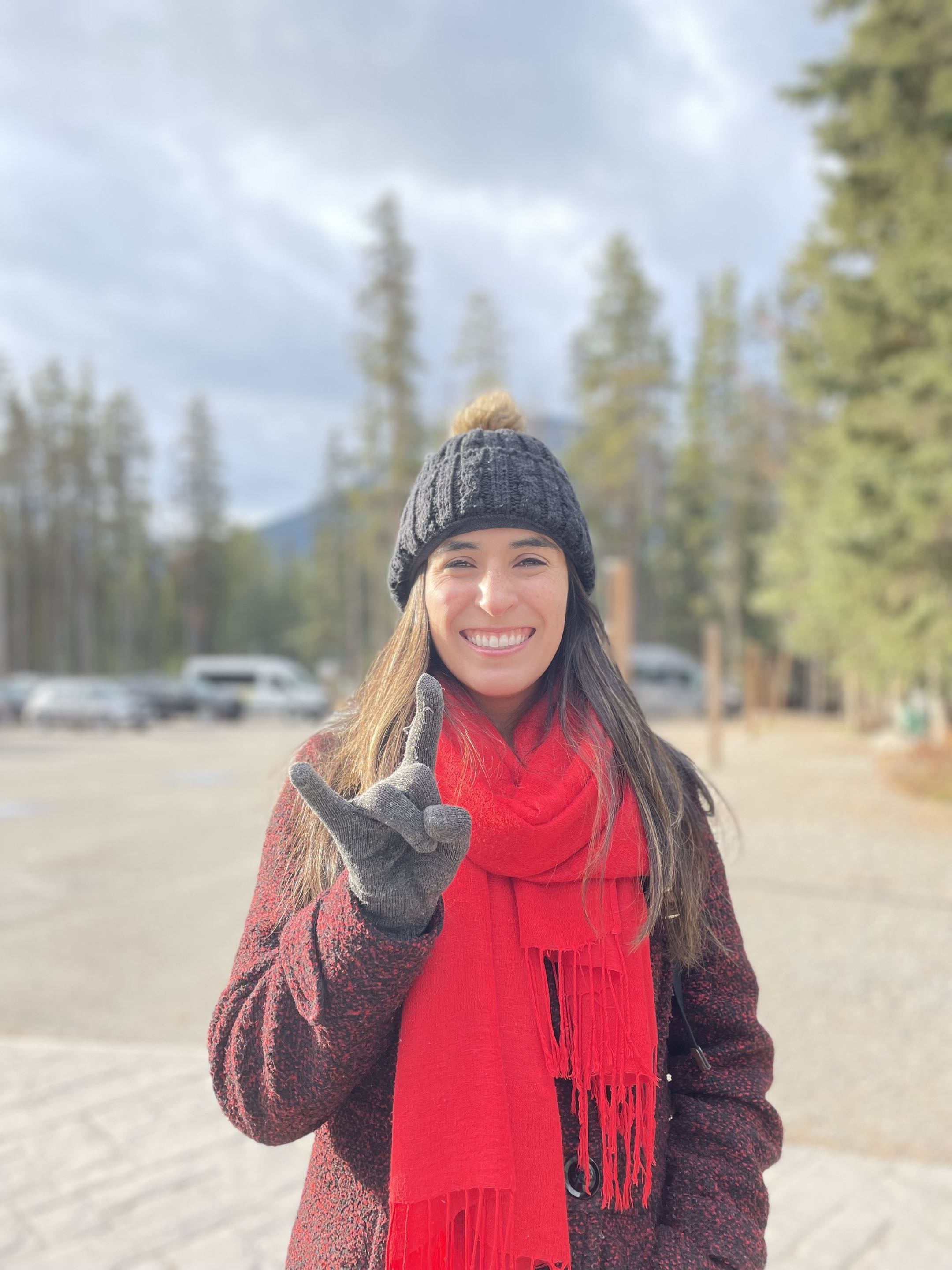
Jessica Needle
Research Collaborator,
PhD student, UT Austin
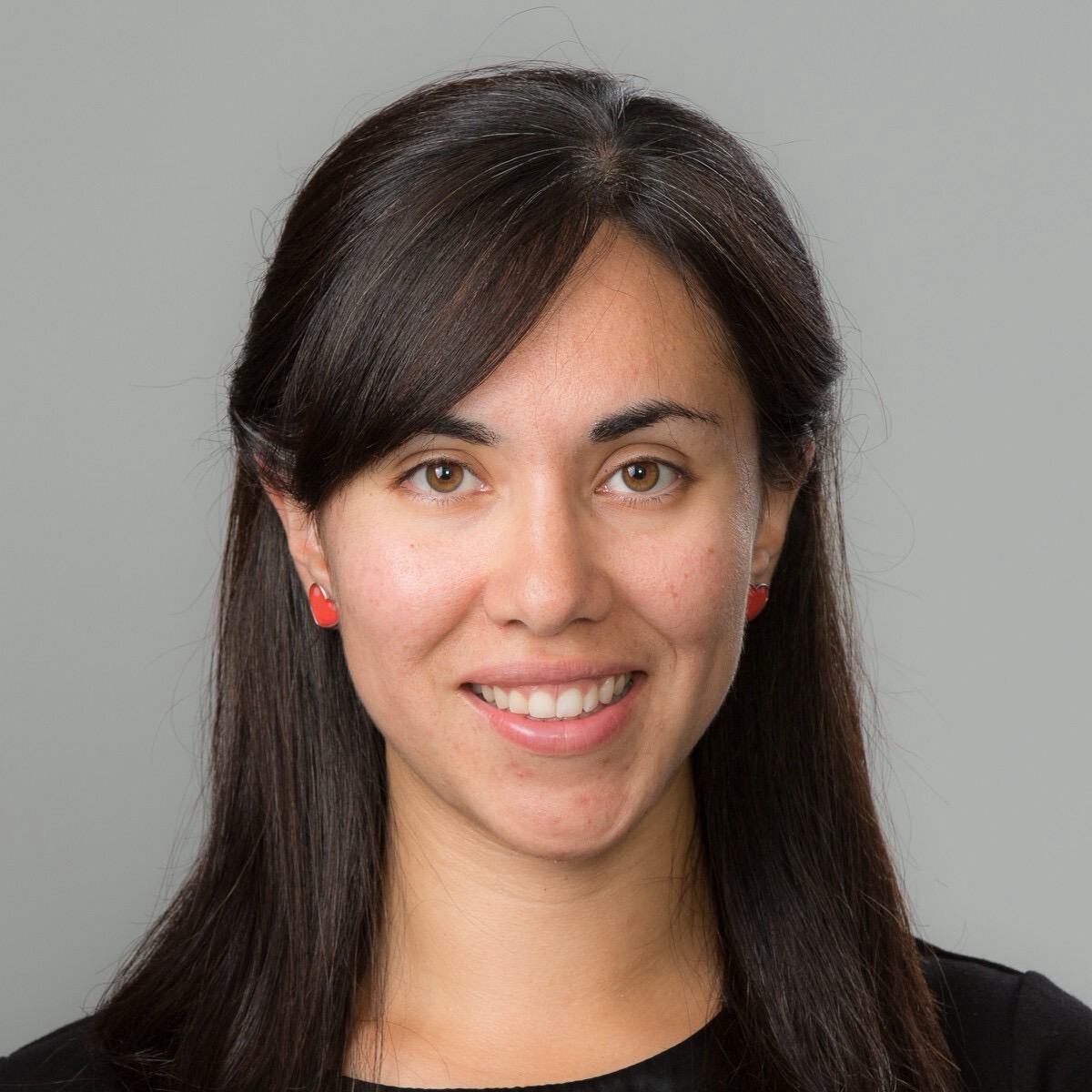
Fuji Robledo Yamamoto
Research collaborator
PhD, Mpathic
The community-based research we do is not possible without the immense help in research design and data collection from community-based organizers and workers.
Tajwar Ul Hoque
Cassandra Palmer
Clara Chavez
People in migration face significant challenges as they transition to unfamiliar sociotechnical systems in the U.S., often under high-stakes conditions. These sociotechnical transitions require navigating linguistic, legal, and socioeconomic barriers while managing privacy risks and surveillance. Many rely on informal networks to seek and verify information among widespread mis/disinformation and constantly changing policies and resource availability.
Meanwhile, AI-driven technologies used by government and private entities shape critical outcomes, despite being notoriously opaque and biased. This research investigates how people in migration experience ICT transitions and how they consider surveillance, privacy, mis/disinformation, and the U.S. sociotechnical assemblage.
Publications
Nonprofit advocacy organizations have some of the most powerful voices in contemporary politics. Nonprofits are also responsible for informing governmental decision making around allocating resources to address needs in our society.
Our research combines qualitative studies of the various genres of data work in advocacy organizations, finding powerful exemplars of data feminist principles in action, with content analyses of the rhetorical data work of political action committees on social media.
Publications
Collaborative data work among agencies supporting people in migration is challenging as diverse organizations try to balance client privacy with flexible access in order to coordinate, conduct procedures, and provide services. Government agencies, nonprofits, and private entities each have distinct data systems and collect different information.
Meanwhile, the United States–Mexico border remains a contentious focal point of political debate and immigration policy. The quantification of people on the move influences organizational work and local and national policy, and fuels many media narratives and news coverage.
Since August 2022, we have conducted 500+ hours of auto-ethnographic fieldwork as well as dozens of semi-structured interviews with people on the move and many organizational stakeholders serving migrant communities.
Publications
We welcome enthusiastic students at any level to our lab, especially students who speak and understand Spanish, and who want to work on qualitative, ethnographic, and Indigenous research methods.
To ask about opportunities in the lab, email shiva{at}nmsu.edu.